How to Look Expensive on a Budget: The 2026 Editorial Guide to Flawless Style
 Karine Laudort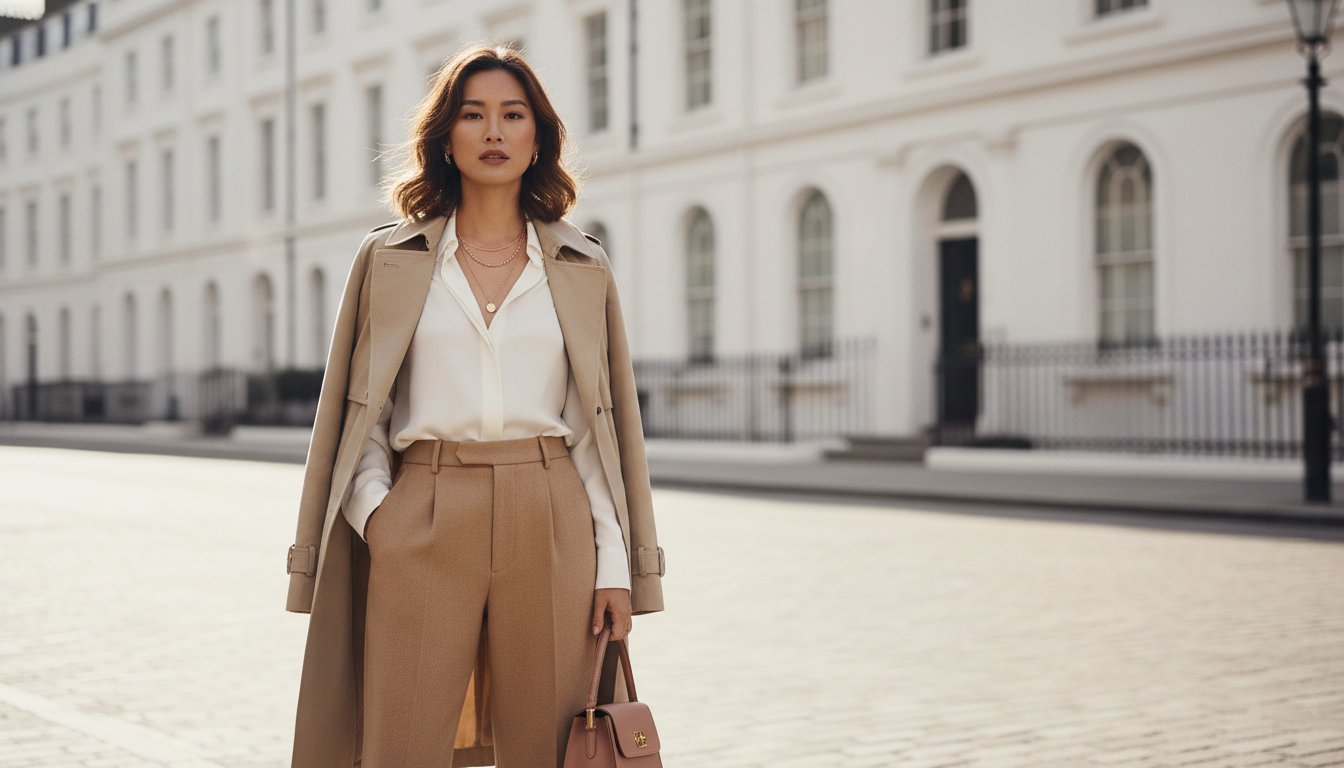
Why do some women look effortlessly polished in a twenty pound Uniqlo tee whilst others look uninspired in head-to-toe designer labels? It is a question that haunts many of us as we stare at a wardrobe full of fast-fashion trends that felt right in the shop but look cheap in the mirror. You’ve likely felt the frustration of wasting money on pieces that date within weeks or struggling to find that elusive quiet luxury feel on a high-street salary. You aren’t alone in wanting a wardrobe that feels curated rather than cluttered.
This editorial guide will teach you exactly how to look expensive on a budget by mastering the art of high-end curation and prioritising a flawless fit over a brand name. With the global clothing alterations market valued at 8.71 billion dollars in 2023, it is clear that the secret to a luxury aesthetic lies in the hands of a tailor rather than a price tag. We will explore how to elevate your personal aesthetic through strategic high-low shopping at retailers like COS and Everlane, the essential grooming rituals that define a professional appearance, and why yellow gold is the dominant metal for 2026. Get ready to transform your style into a timeless statement of excellence.
Key Takeaways
- Learn how to cultivate an editorial eye that prioritises fit and finish to master the “Quiet Luxury” aesthetic that dominates 2026.
- Discover the secret to how to look expensive on a budget by selecting natural fibres like linen and silk for their superior weight and drape.
- Understand why a small investment in professional tailoring and grooming creates a flawless silhouette that elevates any high-street find.
- Explore strategic high-low curation techniques to source heritage brands and unique pieces from elite resale platforms and vintage boutiques.
The Editorial Eye: Mastering the Aspirational Aesthetic Whilst on a Budget
True style isn’t bought; it is curated. Mastering how to look expensive on a budget requires shifting your perspective from a consumer to an editor. In 2026, the “expensive” aesthetic is defined by a triad of fit, fabric, and finish. Whilst fast-fashion encourages a cluttered, trend-heavy wardrobe, the editorial eye seeks a flawless silhouette that suggests bespoke quality. Quiet Luxury remains the dominant theme this year because it prioritises timelessness over temporary hype. This approach involves treating your collection like a gallery through meticulous editorial curation. Instead of an overflowing rail of impulsive purchases, aim for a refined Capsule Wardrobe where every item serves a distinct purpose. By focusing on how a garment drapes and how the seams are finished, you can achieve a look that rivals the front row of any fashion week.
Understanding the Power of a Neutral Colour Palette
Monochrome and tonal dressing are the quickest ways to instantly elevate an outfit. By sticking to a single colour family, you create a seamless vertical line that suggests a high level of sophistication. Choosing the right neutrals for your skin tone, such as rich camel, crisp cream, deep navy, or charcoal, is essential. These “expensive” colours are particularly effective because they mask the textural inconsistencies often found in lower-priced fabrics. A navy blazer from a high-street retailer often appears more luxurious than a brightly patterned version because the dark, solid hue hides the weave of the material. This visual trick creates a more uniform surface, giving the illusion of a higher thread count and a more premium finish.
The “High-Low” Mindset: How Editors Really Dress
The secret to a polished appearance isn’t wearing designer labels from head to toe. Professional editors rely on a high-low strategy, mixing reliable high-street basics with one or two “hero” accessories that command attention. This might mean pairing a simple white cotton tee with a vintage leather belt or a structured, architectural handbag. Intentionality is the key here; every choice must feel deliberate and planned rather than accidental. When you dress with a sense of purpose, even the most affordable items gain a sense of prestige. For those looking to refine their visual storytelling, The Art of the Fashion Editorial offers deeper insights into how to compose a look that resonates with authority and grace. It’s about the narrative you build with your garments, not the price tag attached to them.
Building a Flawless Capsule Wardrobe: Investing in Quality Fabrics
Understanding how to look expensive on a budget starts with the tactile reality of your clothing. Whilst many shoppers gravitate towards the latest silhouette, an editor looks at the label first. Natural fibres like linen, wool, heavyweight cotton, and silk are the non-negotiable foundations of a high-end aesthetic. These materials possess a specific weight and drape that synthetic blends simply cannot replicate. Polyester and nylon often have a tell-tale artificial sheen that catches the light in all the wrong places, instantly devaluing your look. In contrast, a matte wool or a crisp cotton poplin absorbs light, suggesting a depth of quality that feels both exclusive and timeless.
The 2026 fashion landscape marks a definitive return to heritage tailoring and structured silhouettes. We are seeing a move away from the flimsy, unstructured garments of previous years towards power dressing, including baggy, sculpted-shoulder suits and hourglass blazers. To find these pieces in budget-friendly stores, you must inspect the construction. Check for bound seams and ensure the patterns align at the shoulders. A quick trick to elevate a high-street find is replacing cheap, shiny plastic buttons with matte horn or metal alternatives. If the fit isn’t quite perfect, a Guide to Garment Alterations can help you identify which structural changes, such as adding darts for £10 to £30, are worth the investment to achieve that bespoke finish.
The Essential List: 5 Budget-Friendly Pillars of Style
- The Oversized White Shirt: Seek out 100% crisp cotton with a structured collar that stays upright.
- The Tailored Blazer: Prioritise the shoulder fit; it should align perfectly with your natural frame.
- Wide-Leg Trousers: These provide a more fluid, luxurious silhouette than restrictive skinny fits.
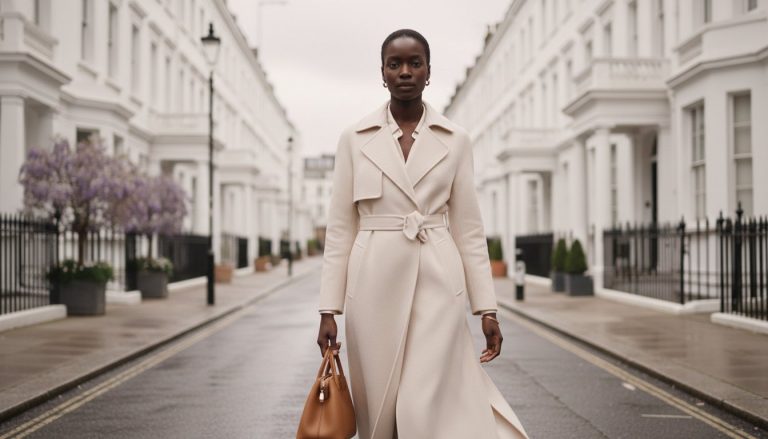
- The Classic Trench Coat: A staple that effortlessly bridges the gap between London and Paris style.
- The Silk Slip Skirt: Look for a heavyweight bias cut that skims the body without clinging.
Fabric Care: Making Affordable Pieces Last Longer
Maintaining a “flawless” texture is just as important as the initial purchase. Steaming your clothes is the “expensive” secret that editors swear by; it relaxes fibres without the harsh, flattening heat of an iron. Proper storage is equally vital. Investing in wooden hangers prevents the unsightly shoulder bumps caused by wire alternatives, whilst garment bags protect your heritage pieces from dust. Regularly removing pilling with a fabric shaver ensures your knitwear retains its polished appearance year after year. For more inspiration on building a refined life, explore our latest lifestyle editorial for curated tips on aesthetic living.
The Art of the Finish: Professional Grooming and Tailoring Secrets
The final five percent of your look often does ninety percent of the heavy lifting. Whilst quality fabric provides the canvas, the “finish” creates the masterpiece. This is the stage where how to look expensive on a budget becomes a precise science rather than a guessing game. A simple £10 hemming adjustment can transform a £30 high-street dress into a £300 boutique find. The secret lies in the flawless silhouette. Clothes that are too tight or pull at the seams instantly devalue your appearance. Instead, aim for a fit that skims the body with ease, suggesting the luxury of bespoke craftsmanship.
Grooming acts as the ultimate budget luxury, providing a polished veneer that no designer label can replace. In 2026, the “expensive” aura is heavily influenced by sensory details, particularly scent. A signature fragrance creates an invisible layer of opulence that lingers long after you’ve left the room. To find your perfect olfactory match, explore our latest beauty editorial for a curated guide to the season’s most sophisticated scents.
The Tailoring Checklist: What to Fix First
- Hem Lengths: Ensure trousers either graze the floor with a heel or sit precisely at the ankle bone for a sharp, intentional line.
- Sleeve Adjustments: Shorten sleeves to reveal the wrist; this small change highlights your favourite jewellery and prevents you from looking overwhelmed by fabric.
- Button Upgrades: Swapping “cheap” shiny plastic buttons for horn, matte metal, or mother-of-pearl alternatives is a ten-minute fix that provides an immediate aesthetic lift.
- Waist Refinement: Adding darts to a blazer or shirt for approximately £15 to £25 creates an hourglass shape that looks custom-made.
Grooming Habits of the Well-Connected Curator
The “clean girl” aesthetic has evolved for 2026 into a focus on high-maintenance habits that result in a low-maintenance look. Healthy, hydrated skin and tidy, natural brows are the primary indicators of a well-kept life. When it comes to nails, a simple, polished manicure in neutral tones or a classic red beats intricate nail art every time. Consistency is key. A sleek, frizz-free blowout or a neatly tied bun suggests a level of self-discipline and attention to detail that is synonymous with wealth. These rituals don’t require a fortune, but they do require a commitment to excellence that defines the flawless lifestyle.
The High-Low Curation Strategy: Where to Shop for Luxury Finds
Mastering how to look expensive on a budget requires a departure from the predictable rails of mass-market retail. Professional tastemakers understand that a truly aspirational wardrobe is built through a high-low curation strategy. This involves blending accessible basics with pre-loved heritage pieces sourced from elite resale platforms. Digital marketplaces like Vestiaire Collective, Vinted, and Depop are essential for finding iconic brands at a fraction of their original price. The key is to look for legacy items that have stood the test of time; think wool coats or structured blazers that align with the 2026 return to heritage tailoring. By saving for one signature splurge whilst maintaining a base of high-quality essentials, you create an aesthetic that feels both exclusive and effortless.
Vintage Hunting in West London and Beyond
Location is everything when it comes to finding high-quality second-hand gems. Charity shops in affluent enclaves often receive donations of designer goods that have barely been worn. For those in the capital, our Chiswick Guide highlights the best boutiques in West London’s chicest neighbourhood. When hunting amongst the clutter, focus on small but impactful items. Look for 100% silk scarves, heavy leather belts, and gold-tone costume jewellery. Pinterest data from May 2026 shows a 225% surge in searches for ’80s luxury, so keep an eye out for oversized gold cuffs and bold accessories that fit this Glamoratti trend. Authentic quality can be spotted by the weight of the hardware and the precision of the stitching.
The Final Touch: Accessories That Command Respect
Accessories are the punctuation marks of your outfit. A structured leather bag, even if unbranded, commands far more respect than a trendy nylon version. In 2026, yellow gold is the dominant metal, symbolising a return to opulence. Simple gold hoops or a classic timepiece are the hallmarks of the Old Money look. Beyond the items themselves, the state of your accessories is a vital sign of status. Keep your footwear immaculate; a scuffed heel or a dirty sole can ruin the most carefully curated look. Strategic high-low shopping is about intentionality. When you mix a high-street staple with a unique vintage find, you prove that flawless style is a matter of taste, not just a reflection of your bank balance.
Your Path to a Flawless Aesthetic
Elevating your personal style is a journey of discernment rather than a race to the checkout. By prioritising the weight of natural fibres and the meticulous finish of a professional tailor, you’ve unlocked the true secret of how to look expensive on a budget. Whether you are hunting for vintage gold in West London or refining your daily grooming rituals, remember that true luxury is found in the details that others often overlook. Your wardrobe should be a curated reflection of your highest self, built with intentionality and grace.
Since 2015, Keeping Up With Kay Flawless has delivered expertly curated editorial content designed to bridge the gap between high-end aspiration and daily reality. Founded by award-winning fashion expert Karine Laudort, our platform remains your premier destination for aspirational yet accessible lifestyle advice. We invite you to explore our curated Gift Guides for more luxury inspiration as you continue to build your most polished life. Step out with confidence; your flawless transformation is just beginning.
Frequently Asked Questions
What fabrics look most expensive on a budget?
Natural fibres such as heavyweight cotton, linen, and wool are the most reliable choices for a high-end look. These materials retain their structure and appear more premium than thin, synthetic alternatives that often have an artificial sheen. For instance, organic cotton from brands like Pact or Groceries Apparel, typically priced under $100 in 2026, provides a durable and ethical foundation for a luxury aesthetic.
How can I look expensive in casual jeans and a t-shirt?
Apply the “Third Piece Rule” to instantly elevate a basic denim and tee combination. Adding a structured blazer or a trench coat creates an intentional, polished finish that suggests a higher level of styling. Ensure your basic white tee is made from a crisp, high-quality cotton, such as the minimalist staples found at Uniqlo, to maintain a flawless silhouette throughout the day.
Is it better to buy one designer item or ten high-street items?
Investing in one high-quality designer “hero” piece is a more effective way of mastering how to look expensive on a budget than purchasing multiple low-quality items. A single heritage bag or a pair of well-constructed leather shoes can elevate an entire high-street outfit. This strategic high-low approach ensures your wardrobe feels curated and timeless rather than cluttered with passing trends that date quickly.
How much does it cost to get clothes tailored in the UK?
Tailoring costs in 2026 generally range from $10 to $75 for common adjustments according to data from Thumbtack and ItsaYes. A standard hem for pants or jeans typically costs between $10 and $20. Shortening jacket sleeves usually falls within the $25 to $50 range, whilst adding darts to a shirt or blazer for a more tailored fit costs approximately $10 to $30.
Can you look expensive whilst wearing bright colours?
Bright colours can look incredibly opulent when they align with the 2026 “Glamoratti” trend for ’80s maximalism. Saturated hues like emerald or cobalt appear expensive when executed in structured fabrics with bold shoulder silhouettes. Pinterest reported a 225% surge in searches for ’80s luxury in May 2026, proving that vibrant palettes are a sophisticated alternative to neutrals when paired with chunky gold jewellery.
What are the best high-street brands for a luxury aesthetic in 2026?
COS and Everlane remain the premier high-street destinations for those seeking an architectural and minimalist aesthetic. COS pieces, often priced between $50 and $300, offer modern proportions that appear far more expensive than their retail cost. For high-quality basics, Uniqlo and Madewell are consistently cited as the leading sources for durable cotton and denim staples that form the base of a flawless wardrobe.
About the Author