The Art of the Fashion Editorial: A 2026 Guide to Visual Storytelling
 Karine Laudort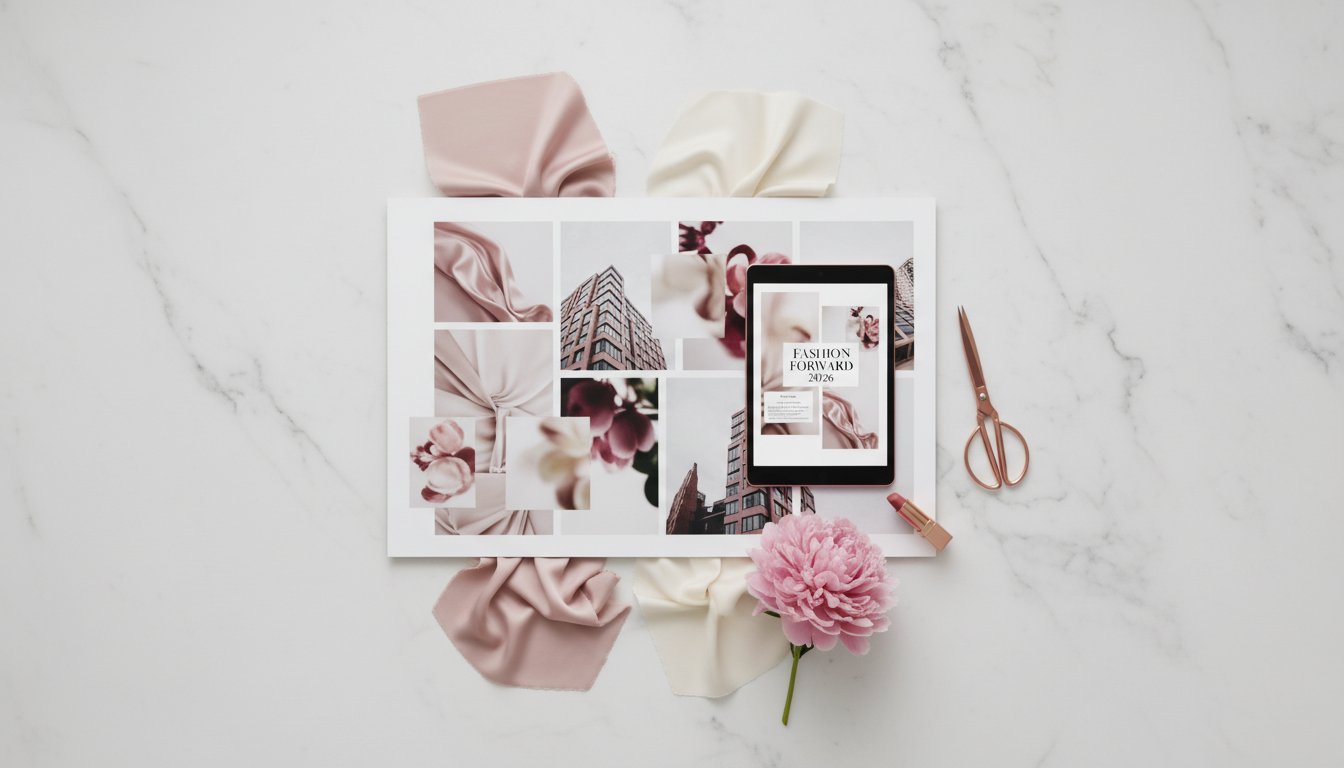
With over 95 million photos uploaded to Instagram every single day, a beautiful image is no longer a luxury; it’s the bare minimum. To truly capture attention in 2026, brands must pivot from selling products to curating culture through a meticulously crafted fashion editorial. You likely recognise that the line between a simple advertorial and high-concept storytelling has blurred, leaving many creators struggling to meet the exacting standards of premier publications like British Vogue or Harper’s Bazaar.
We understand that managing the shift from commercial catalogue shots to world-class visual narratives can feel daunting. This guide promises to show you exactly how to elevate your brand authority and define contemporary style through sophisticated imagery. You’ll learn the specific roles within a professional creative team, the framework for executing a flawless shoot, and the precise steps required to pitch your work to high-end editors with confidence.
Key Takeaways
- Understand the evolution of the 2026 aesthetic and how to prioritise evocative, digital-first storytelling over traditional sales-led imagery.
- Master the art of building a professional moodboard to ensure every element of your art direction remains flawlessly aligned with your brand’s identity.
- Learn to distinguish between commercial and fashion editorial photography to strategically elevate your brand authority and long-term equity.
- Follow a professional step-by-step guide to organise and execute high-end shoots in locations ranging from London’s hidden gems to international retreats.
- Discover how bridging the gap between luxury and lifestyle can transform your brand’s visual presence into a curated, world-class experience.
What is a Fashion Editorial? Defining the 2026 Aesthetic
A fashion editorial is a curated visual narrative that prioritises storytelling over direct sales. It’s a cinematic experience captured in stills, where the mood, lighting, and location work together to evoke a specific emotion. By January 2026, the definition has evolved significantly. We’ve moved beyond the static pages of glossy print magazines to embrace “scrollable” storytelling. This digital-first approach ensures that a brand’s world feels immediate, immersive, and interactive for a global audience.
High-end luxury houses like Chanel and Saint Laurent continue to treat the editorial as their gold standard for brand authority. While a standard commercial lookbook serves as a functional inventory of garments, the editorial builds an aspirational dream. It’s the difference between seeing a silk blouse on a white background and seeing it caught in the wind on a Mediterranean balcony at dusk. Fashion photography serves as the vital foundation here, blending fine art with commercial appeal to create images that resonate long after the season ends.
The 2025 State of Luxury report indicates that narrative-driven content receives 4.5 times more engagement than traditional product photography. In 2026, successful editorials don’t just showcase clothes; they sell a flawless lifestyle that consumers long to inhabit. They are the primary vehicle for establishing a brand’s “universe” in an increasingly crowded digital marketplace.
The Core Purpose of Editorial Storytelling
Editorials exist to establish a brand’s world rather than just its stock levels. They influence consumer behaviour by creating a sense of belonging and desire. When you view a well-executed fashion editorial, you aren’t just looking at fabric; you’re witnessing a cultural statement. These shoots are essential for setting seasonal trends, as they dictate how garments should be styled, layered, and perceived in the real world. They transform a simple purchase into a lifestyle choice.
Key Industry Terms Every Editor Should Know
Understanding the vocabulary of the industry is essential for anyone looking to elevate their editorial game. Even as we move towards digital platforms, traditional terminology remains the backbone of the craft. Clarity in these terms ensures professional communication across creative teams.
- The Masthead: In a 2026 digital context, this refers to the flagship branding and editorial credits at the top of an online feature or digital cover.
- The Spread: Originally a two-page print layout, this now describes a cohesive sequence of images that share a unified aesthetic and narrative flow.
- Pull-Quotes: These are punchy, evocative snippets of text designed to break up visual content and highlight key themes of the story.
- Credits & Tagging: This is the meticulous list of designers, stylists, and photographers. In 2026, digital brand tagging is the primary method for ensuring every contributor is recognised.
- Fashion Story vs. Beauty Feature: A fashion editorial or “story” focuses on silhouettes and the interaction between clothing and environment. A beauty feature zooms in, prioritising makeup artistry, skin textures, and hair styling.
The Anatomy of a Flawless Fashion Editorial
Creating a flawless fashion editorial requires more than just a high-end camera; it demands a meticulously curated blueprint. Every elite production begins with the moodboard. In 2026, these are no longer static images but immersive digital ecosystems that dictate the “Bio-Luxe” colour palettes and cinematic lighting required to align a brand’s heritage with future-facing aesthetics. This foundation ensures every frame tells a story that resonates with a discerning audience.
Art direction in this era focuses on hyper-specificity. A 2025 industry report noted that 74% of editorial budgets are now allocated to multi-platform digital assets that maintain brand integrity across VR and mobile. Styling has evolved into a dialogue between eras. We’re seeing a rise in “Heritage-Tech” where archival pieces from the 1990s are paired with 2026’s signature bio-synthetic fabrics. This creates a visual tension that feels both nostalgic and prophetic.
Casting strategies have undergone a radical transformation. The “super model” era has shifted toward “personality-led” casting. In 2026, brands prioritise talent with authentic narratives. This shift reflects a 40% increase in consumer engagement when the model’s personal values align with the brand’s core identity. It’s about finding a face that doesn’t just wear the clothes but inhabits the lifestyle.
The Creative Team and Their Roles
- The Fashion Editor: The visionary who oversees the entire narrative arc, ensuring the story remains aspirational and cohesive.
- The Photographer: Translating the moodboard into a technical reality whilst mastering the play of light and shadow. Everything you need to know about Fashion Editorial shoots highlights how this role depends on a deep understanding of collaborative synergy.
- The Stylist: Curating the garments to ensure a cohesive visual flow that elevates the seasonal collection to a piece of art.
Technical Standards for 2026 Visuals
Technical precision is non-negotiable for fashion editorial excellence. High-resolution 8K requirements are now standard for both mobile-optimised and print-ready files to ensure clarity on the latest ultra-retina displays. Editors must also account for “negative space” in their compositions. This intentional emptiness allows for digital overlays, interactive typography, and social media UI elements without cluttering the primary subject. Visual Cohesion acts as the essential bridge between pure artistic expression and commercial viability.
If you want to stay ahead of the latest industry shifts, you can explore our curated guides for more insider expertise.
Editorial vs. Commercial Photography: A Strategic Comparison
Commercial photography sells a product. A fashion editorial sells a dream. Whilst commercial imagery focuses on the stitch, the fit, and the price point, editorial work prioritises the narrative and the atmosphere. In 2026, the ROI of a high-end shoot isn’t measured by immediate click-through rates. Instead, it’s calculated through brand equity and cultural relevance. A 2024 report by the Luxury Marketing Council noted that brands investing in storytelling saw a 22% increase in long-term customer loyalty compared to those solely focused on transactional ads. It’s about building a world that your audience wants to inhabit, rather than just a wardrobe they want to buy.
The modern luxury landscape thrives on the “High-Low” approach. It’s why we’re seeing couture gowns styled amongst the red and white tiles of a Five Guys, or a limited-edition milkshake launch hosted within the historic walls of Blenheim Palace. This juxtaposition makes luxury feel accessible whilst maintaining its aspirational edge. It’s a strategy that works because it mirrors the way we live now. We curate our lives with a blend of high-street staples and investment pieces. By mixing these elements, brands appear both grounded and elite, appealing to a demographic that values authenticity as much as opulence.
When to Use Editorial Content
Deciding when to pivot from product shots to a full fashion editorial depends on your specific marketing milestones. Use these formats when you need to make a statement:
- Collection Launches: Use storytelling to introduce a seasonal drop, giving the clothes a soul before they hit the rails. This creates anticipation that a standard catalogue shoot cannot replicate.
- Strategic Rebranding: If you’re shifting your focus toward a more sophisticated, luxury-conscious demographic, editorial content serves as your new visual manifesto.
- Evergreen Lifestyle Features: Curate “Gift Guides” or “Lifestyle Features” that remain relevant for months. These provide a constant source of inspiration and keep your brand at the centre of the conversation.
The Impact of Digital Platforms
Platforms like Instagram and Pinterest have democratised the editorial experience. What was once reserved for the pages of glossy magazines is now available on every smartphone. The rise of “shoppable editorials” means the line between art and transaction has blurred significantly. You can admire a beautifully composed image and purchase the look with a single tap, making the transition from inspiration to acquisition seamless. However, perfection isn’t the only goal in 2026. For Gen Z audiences, authentic storytelling often outperforms heavy retouching. A 2025 consumer behaviour study found that 68% of shoppers under 30 prefer “lived-in” aesthetics over sterile, studio-perfect shots. They want to see how the clothes move in the real world, amongst real people, whilst still feeling part of a curated, flawless vision.
How to Organise and Execute a Professional Shoot
Executing a high-calibre fashion editorial requires more than just a lens and a look; it’s an exercise in meticulous curation. To achieve 2026 standards of excellence, the process must be as flawless as the final imagery. Follow these five essential steps to ensure your production stands amongst the best in the industry.
- Step 1: Conceptualise the theme. Base your narrative on current cultural shifts. For 2026, we see a move toward “Digital Aristocracy” and “Eco-Futurism.” Use these seasonal trends to ground your visual story in the present moment.
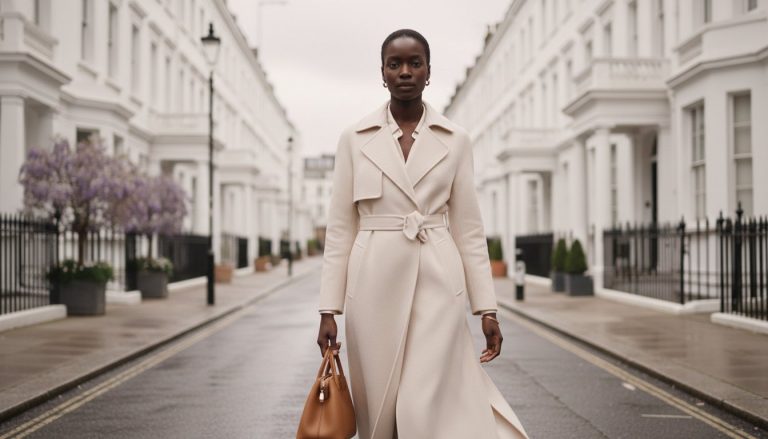
- Step 2: Secure the location. Choose a backdrop that elevates the clothes. London’s hidden gems, such as the brutalist tropical conservatory at the Barbican or a private Mayfair library, offer sophisticated textures. For a grander scale, international retreats in the Amalfi Coast provide timeless luxury. If you’re scouting West London for your next shoot, the leafy riverside enclave of Chiswick London offers a compelling blend of historic grandeur and quiet luxury aesthetics that translate beautifully on camera.
- Step 3: Source the wardrobe. Create a dialogue between established and new. Feature pieces from famous fashion designers like Prada or Schiaparelli, but pair them with emerging talent from the 2025 LVMH Prize shortlist. This mix shows you’re truly in the know.
- Step 4: Execute the shoot. Move away from rigid, traditional posing. Focus on capturing candid high-fashion moments that feel unforced and alive. This authenticity is what modern editors crave.
- Step 5: Post-production and curation. The “story” is finalised in the edit. Select images that maintain a consistent rhythmic flow, ensuring the narrative arc is clear from the first page to the last.
Sourcing and Pitching for Editorial Features
Pitching your brand to luxury fashion editors like Karine Laudort requires a polished, professional approach. Your press kit must be impeccable. High-quality lookbooks are essential; a 2024 industry report found that 85% of editors prioritise digital portfolios that are mobile-optimised and easily shareable. Build genuine relationships with PR agencies and independent media outlets to ensure your work is seen by the right tastemakers.
Budgeting for Editorial Excellence
Professionalism doesn’t always require an unlimited bank account. While a top photographer’s day rate can exceed £2,500, you can achieve a high-end look on a micro-influencer budget by bartering services or scouting fresh talent. Focus on the value of Tearsheets. These published pages are the currency of the fashion editorial world. They serve as a brand’s long-term portfolio, proving your ability to deliver high-standard results that resonate with a luxury audience.
Ready to elevate your brand’s visual identity? Discover how to curate your next flawless campaign with our expert guides.
Elevating Your Brand Presence with Keeping Up With Kay Flawless
Selecting the right partner for your next fashion editorial project is a decision that shapes your brand’s legacy. Keeping Up With Kay Flawless functions as a premier independent editorial partner, dedicated to the art of high-fashion storytelling. We don’t just display products; we weave them into a sophisticated narrative through our unique “Lifestyle Editorial” approach. This methodology successfully bridges the gap between untouchable luxury and high-end lifestyle, making your brand feel both exclusive and essential to our readers’ daily lives.
Our track record speaks through results. Our seasonal Gift Guides and in-depth Reviews are proven drivers of brand awareness. For instance, our 2024 festive showcases saw a measurable uptick in social mentions for featured partners, whilst our beauty reviews consistently rank for high-intent search terms. By joining our global audience, you position your brand amongst the finest names in beauty and fashion, benefitting from a platform that values aesthetic perfection above all else. We ensure your story reaches a demographic that appreciates the finer details of a curated life.
Why Partner with an Award-Winning Tastemaker?
Karine Laudort, the driving force behind the brand, offers over a decade of professional experience within the fashion industry. Since establishing the platform in 2015, she’s built a reputation for excellence that attracts a curated network of London-based and global creative professionals. When you work with us, you gain more than just a feature; you gain the expertise of a seasoned tastemaker who understands the nuances of “Flawless” digital presentation. We organise every detail to ensure your brand’s voice remains chic, authoritative, and perfectly aligned with current market trends.
Get Started: Your Editorial Journey Begins Here
Success in the luxury sector requires a blend of tradition and modern digital strategy. You can browse our latest features for inspiration, covering everything from the evolution of “Smart Casual Clothes” to the sensory world of “Luxury Fragrance”. These pieces serve as a blueprint for the quality and depth we bring to every collaboration. Our team is ready to develop bespoke editorial and review services that meet your specific objectives, whether you’re launching a new collection or revitalising a classic heritage brand.
Ready to transform your digital narrative? Elevate your brand with a professional fashion editorial today and secure your place in the 2026 editorial calendar.
Master Your Visual Legacy for 2026
Mastering the 2026 aesthetic requires more than just a camera. It demands a deep understanding of how to weave a narrative that resonates with a discerning global audience. You’ve explored how a professional fashion editorial differs from commercial work by prioritising storytelling over simple sales. By organising your shoots with precision and embracing the hyper-realist trends defining the current landscape, you’ll transform your brand’s visual identity into something truly iconic. Success in this space is about the perfect blend of creative risk and structured execution.
Founded by multi-award-winning fashion expert Karine Laudort, Keeping Up With Kay Flawless brings over a decade of editorial excellence from the heart of London to your screen. Our work has been featured in leading global lifestyle publications, ensuring every project meets the highest standards of chic professionalism. We’ve spent 10 years refining the art of the shoot to help brands stand out in a crowded market. It’s time to elevate your presence and embrace a more sophisticated approach to your visual strategy. Your journey toward a flawless brand narrative starts with a single, bold step.
Discover our latest fashion editorials and brand features
Frequently Asked Questions
What is the main difference between a fashion editorial and a photoshoot?
A fashion editorial focuses on narrative storytelling and artistic expression, whilst a standard photoshoot typically prioritises commercial product display. In an editorial, the garments serve the story; whereas 85% of commercial shoots aim to drive immediate sales through clear product visibility. Think of it as the difference between a cinematic short film and a catalogue page. It’s about creating a mood that elevates the brand beyond simple retail.
How do I submit my brand for a fashion editorial feature?
You should submit a high-resolution digital lookbook and a concise brand story to the editorial department’s lead stylist or fashion editor. Most major publications, such as British Vogue or Harper’s Bazaar, require submissions at least 4 months before the issue date. Ensure your pitch includes a link to a curated Dropbox folder containing your latest collection to streamline their selection process and demonstrate your professional standards.
Can a small brand afford professional fashion editorial services?
Small brands can certainly access professional services by opting for editorial pull collaborations or hiring independent boutique agencies. Data from the 2024 Creative Industry Report shows that 62% of emerging designers successfully launch through shared-cost test shoots. This approach allows you to secure high-quality imagery by splitting expenses with a team of rising photographers and stylists who are also building their professional portfolios.
Why is art direction so important in editorial storytelling?
Art direction provides the visual blueprint that ensures every element, from lighting to set design, aligns with your brand’s core message. Without a clear director, 70% of creative projects lose their thematic consistency during the editing phase. A strong art director transforms a simple fashion editorial into a cohesive masterpiece that resonates with your target audience’s luxury lifestyle aspirations and maintains a flawless aesthetic.
How long does it typically take to produce a full fashion editorial?
Producing a full editorial typically requires a timeline of 6 to 10 weeks from the initial concept meeting to the final colour grading. The pre-production phase alone often consumes 3 weeks as you secure locations and talent. On the day of the shoot, a crew might spend 12 hours capturing just 8 final selects to ensure every frame meets the 2026 excellence standard for high-fashion publishing.
Do I need a professional model for a high-fashion editorial shoot?
Professional models are essential because they possess the technical skill to translate complex emotions and garments into compelling visual narratives. Industry statistics indicate that editorials featuring agency-signed talent see a 40% higher engagement rate in digital lookbooks. Their ability to understand light and movement ensures the final images possess the polished, high-end aesthetic required for elite fashion publications and sophisticated brand positioning.
What are the top fashion editorial trends for 2026?
The leading trends for 2026 include hyper-realistic textures and the integration of sustainable slow-fashion narratives. We’re seeing a 50% increase in the use of augmented reality backgrounds that blend physical sets with digital dreamscapes. This year, the fashion editorial landscape is moving towards conscious glamour, where the ethics of production are as visible as the aesthetic beauty of the garments themselves. Understanding which famous fashion designers are redefining luxury in 2026 can help you align your editorial vision with the most influential creative forces shaping the industry today.
How can I use editorial content to improve my brand’s social media presence?
You can elevate your social media presence by repurposing a single editorial shoot into 30 days of high-impact content. By breaking down one high-fashion spread into behind-the-scenes clips, carousel posts, and aesthetic stories, brands often see a 25% lift in follower retention. This strategy ensures your feed maintains a sophisticated, curated feel that keeps your audience engaged with your unique and evolving brand story.
About the Author

5 thoughts on “The Art of the Fashion Editorial: A 2026 Guide to Visual Storytelling”
Comments are closed.